

 Myopia management
 Glaucoma Management
 Locate Us
Best Things to Eat to Improve Vision Health
Blog:Best Things to Eat to Improve Vision Health
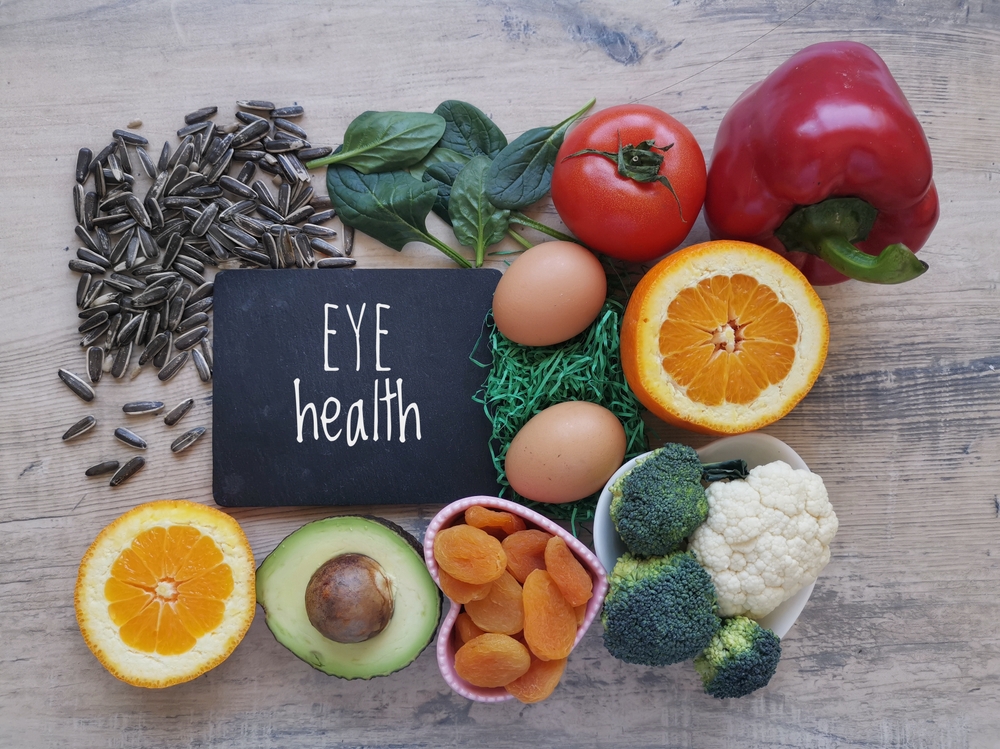
Best Things to Eat to Improve Vision Health
Your eyes work hard every day, and the foods you eat can either support or strain your vision over time. A nutrient-rich diet can help protect against age-related eye conditions and support overall eye function. However, even with the healthiest eating habits, regular comprehensive eye exams remain essential for detecting issues early and preserving long-term vision health.
Leafy Green Vegetables
Leafy greens like spinach, kale, and collard greens are packed with lutein and zeaxanthin - powerful antioxidants found in the retina. These nutrients help filter harmful blue light and may reduce the risk of macular degeneration and cataracts. Adding a daily salad or blending greens into smoothies is an easy way to support long-term eye health.
Fatty Fish Rich in Omega-3s
Salmon, tuna, sardines, and mackerel are excellent sources of omega-3 fatty acids. Omega-3s are essential for maintaining the health of the retina and supporting tear production, which can help reduce dry eye symptoms.
Colorful Fruits and Vegetables
Brightly colored fruits and vegetables - such as carrots, sweet potatoes, bell peppers, oranges, and berries - are rich in vitamins A and C.
Vitamin A supports good night vision and overall retinal health.
Vitamin C is an antioxidant that helps protect the eyes from oxidative stress and may slow the progression of cataracts.
Eating a wide variety of colors ensures your eyes get a broad range of protective nutrients.
Nuts and Seeds
Almonds, walnuts, chia seeds, and flaxseeds are rich in vitamin E and healthy fats. Vitamin E helps protect eye cells from damage caused by free radicals and may play a role in slowing age-related vision changes.
Legumes and Whole Grains
Beans, lentils, chickpeas, quinoa, and brown rice contain zinc and complex carbohydrates. Zinc helps transport vitamin A from the liver to the retina, supporting night vision and overall eye function. Whole grains also help regulate blood sugar, which is important for reducing the risk of diabetic eye complications.
The Importance of Annual Eye Exams
While eating the right foods can support eye health, diet alone cannot detect or prevent many eye conditions. Serious issues such as glaucoma, macular degeneration, diabetic retinopathy, and retinal disease often develop without noticeable symptoms in their early stages.
Annual comprehensive eye exams allow your optometrist to:
Detect eye diseases early, before vision is affected
Monitor changes in vision and eye health over time
Identify underlying health conditions like diabetes or high blood pressure
Provide personalized recommendations based on your eye health and lifestyle
Even patients with excellent diets and no vision complaints should still have their eyes examined regularly.
Schedule Your Comprehensive Eye Exam Today
A balanced, nutrient-rich diet can go a long way in supporting healthy vision, protecting your eyes from damage, and reducing the risk of age-related eye conditions. Leafy greens, fatty fish, colorful produce, eggs, nuts, and whole grains all play an important role in maintaining eye health. Regular comprehensive eye exams are also essential for protecting your vision and catching potential problems early
Protecting your vision starts with proactive care. Schedule your annual comprehensive eye exam at Texas State Optical to ensure your eyes stay healthy. Visit our office in Humble, Texas, or call (281) 399-4275 to book an appointment today.
Quick Links
Helpful Articles
All Eyecare Services
We offer a wide variety of eye care services to the Humble community. Contact us with any questions about our services.
Keep In Touch
For non-urgent questions or to learn more about our services, contact us today!

Contact Information
Office Hours
- Monday 9:00 AM - 5:30 PM
- Tuesday 9:00 AM - 5:30 PM
- Wednesday 9:00 AM - 5:30 PM
- Thursday 9:00 AM - 5:30 PM
- Friday 9:00 AM - 5:30 PM
- Saturday* 9:00 AM - 3:00 PM (1st and 3rd Saturdays only)
- Sunday Closed
*Open 1st & 3rd Saturdays of the Month
- Monday
- Tuesday
- Wednesday
- Thursday
- Friday
- Saturday
- Sunday
- Monday
- Tuesday
- Wednesday
- Thursday
- Friday
- Saturday
- Sunday
© 2026 Texas State Optical. All rights Reserved - Accessibility Statement - Privacy Policy - Sitemap
Managed and Designed by 