
 Myopia management
 Glaucoma Management
 Locate Us
Fall Creek Eye Exams: How Often Do Adults in Humble Need Their Vision Checked?
Blog:Fall Creek Eye Exams: How Often Do Adults in Humble Need Their Vision Checked?
Fall Creek Eye Exams: How Often Do Adults in Humble Need Their Vision Checked?
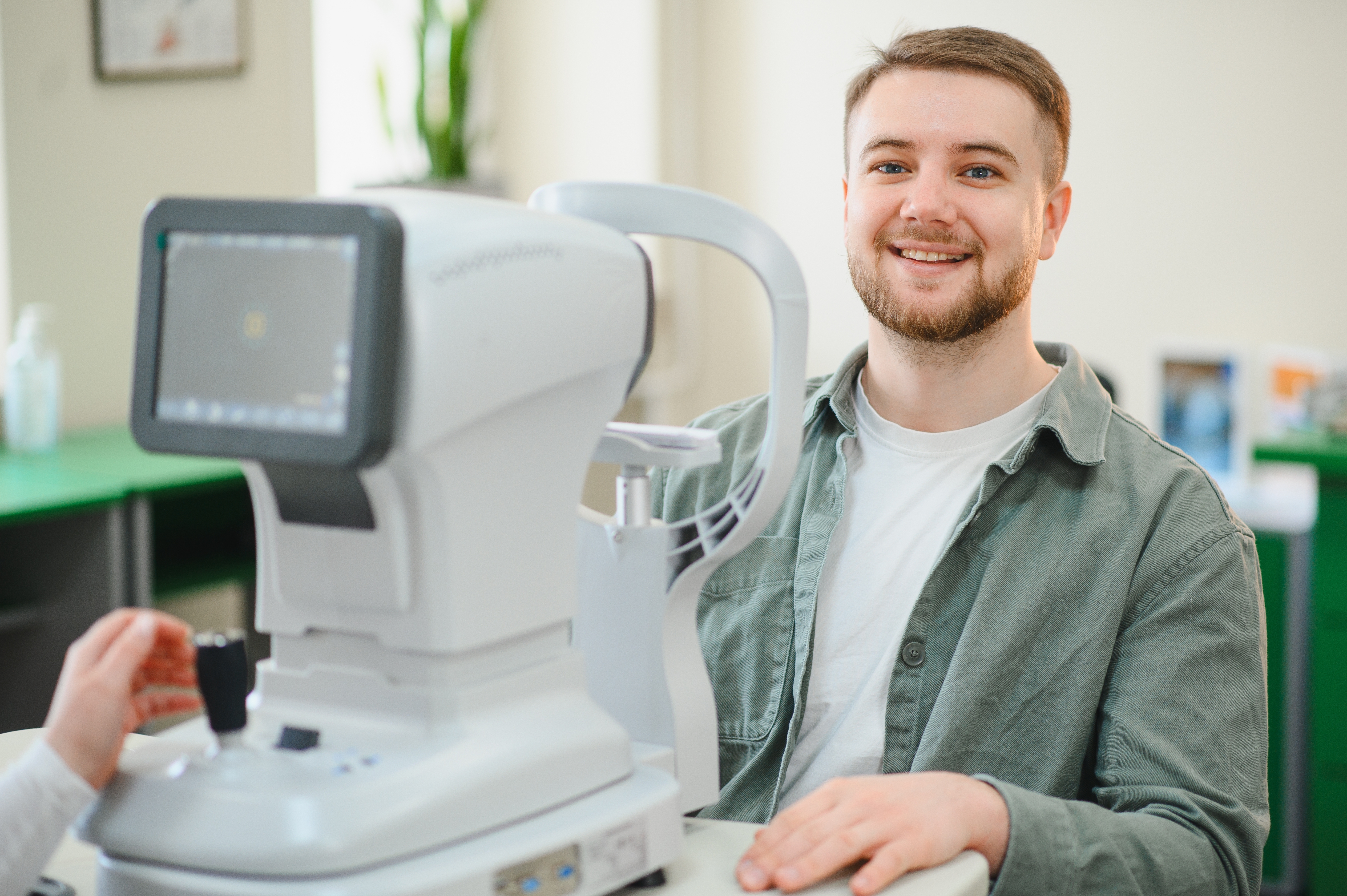
If your glasses still seem clear and your eyes feel fine, it can be easy to postpone an eye exam. However, vision changes are only one reason to schedule regular eye care. Comprehensive eye exams also allow us to evaluate the health of your eyes and look for concerns that may develop without noticeable symptoms.
At Texas State Optical Fall Creek in Humble, we provide comprehensive eye exams personalized to each patient's age, medical history, prescription, lifestyle, and eye health risks. How often you need an exam depends on more than whether you can still read the eye chart.
How Often Should Adults Schedule Eye Exams?
There is no single schedule that is right for every adult. Many patients benefit from regular annual eye exams, while the appropriate interval for a healthy, low-risk adult may vary based on professional recommendations and their individual circumstances.
You may need more frequent examinations if you wear contact lenses, have a changing prescription, have an existing eye condition, or have health factors that can affect the eyes.
The most useful approach is to follow the schedule your optometrist recommends after evaluating your personal risks.
Why Clear Vision Does Not Tell the Whole Story
An eye chart measures how clearly you see at a specific distance, but a comprehensive eye exam looks much deeper.
Glaucoma, retinal conditions, and other eye diseases may begin without obvious symptoms. Some systemic health conditions, including diabetes, can also cause changes inside the eyes before a patient notices significant vision problems.
Regular Fall Creek eye exams give us an opportunity to establish a baseline and compare findings over time. Subtle changes may be easier to recognize when we have previous examination results for comparison.
Who May Need More Frequent Eye Exams?
Certain factors can increase the importance of staying on a consistent exam schedule. These include:
- Diabetes or other medical conditions that may affect the eyes
- A personal or family history of glaucoma or other eye disease
- Contact lens wear
- High or frequently changing prescriptions
- Previous eye injuries or surgery
- Persistent dry eye, redness, or visual discomfort
- Increasing difficulty with night driving or close-up vision
If any of these apply to you, your Humble optometrist may recommend more frequent monitoring rather than waiting several years between visits.
Your Vision Needs Change With Age
Eye care needs can shift throughout adulthood. Younger adults may experience prescription changes, digital eye strain, or contact lens concerns. As you enter your 40s, presbyopia often makes focusing at near distances more difficult, leading to changes in reading or computer vision.
Later in adulthood, the risk of cataracts, glaucoma, macular degeneration, and other age-related eye conditions increases. Regular exams become increasingly important for monitoring these changes and determining whether additional testing is needed.
At TSO Fall Creek, our doctors also provide medical eye exams and glaucoma management when routine testing identifies concerns that deserve closer attention.
An Eye Exam Is More Than a Prescription Update
A comprehensive eye exam evaluates both vision and eye health. Depending on your needs, the visit may include prescription testing, examination of the internal and external structures of the eyes, eye pressure measurements, and additional testing when appropriate.
We can also discuss symptoms that affect everyday life, such as dry or burning eyes, headaches, difficulty driving at night, or problems seeing comfortably on digital screens.
Even if your prescription has remained stable, these conversations can reveal changes that deserve attention.
Do Not Wait Until Your Vision Feels Different
Changes in vision often happen gradually, making them easy to overlook. Regular eye exams allow us to monitor your eyes proactively instead of waiting until blur or discomfort becomes disruptive.
If you are unsure when you last had a comprehensive eye exam, schedule your next visit with Texas State Optical Fall Creek at 9701 North Sam Houston Pkwy E, Suite 100, Humble, TX 77396, or call (281) 360-2021 to keep your vision and eye health on track.
Quick Links
Helpful Articles
All Eyecare Services
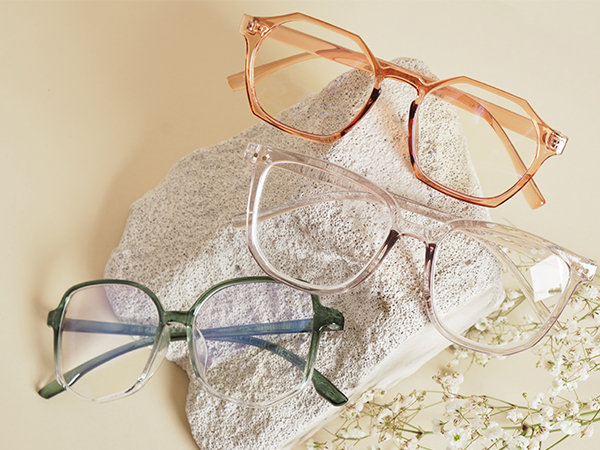
We offer a wide variety of eye care services to the Humble community. Contact us with any questions about our services.
Keep In Touch
For non-urgent questions or to learn more about our services, contact us today!

Contact Information
Office Hours
- Monday 9:00 AM - 5:30 PM
- Tuesday 9:00 AM - 5:30 PM
- Wednesday 9:00 AM - 5:30 PM
- Thursday 9:00 AM - 5:30 PM
- Friday 9:00 AM - 5:30 PM
- Saturday* 9:00 AM - 3:00 PM (1st and 3rd Saturdays only)
- Sunday Closed
*Open 1st & 3rd Saturdays of the Month
- Monday
- Tuesday
- Wednesday
- Thursday
- Friday
- Saturday
- Sunday
- Monday
- Tuesday
- Wednesday
- Thursday
- Friday
- Saturday
- Sunday
© 2026 Texas State Optical. All rights Reserved - Accessibility Statement - Privacy Policy - Sitemap
Managed and Designed by 